- August 8, 2026
- Dennis
- 0
There are certain things that make me laugh, usually followed by a sarcastic sigh.
One of them is hearing people say, “We need to bring manufacturing back to America!” while simultaneously embracing the work philosophy of, “Eh, that’s good enough. They don’t pay me enough to care.”
Well…there’s a plot hole in that plan.
If we want products made here, built to last, and manufactured with pride, then we also need people who are willing to take pride in what they make. “Made in America” should mean more than the location printed on the label. It should mean somebody actually cared about what came off the production line.
The $40,000 Reminder
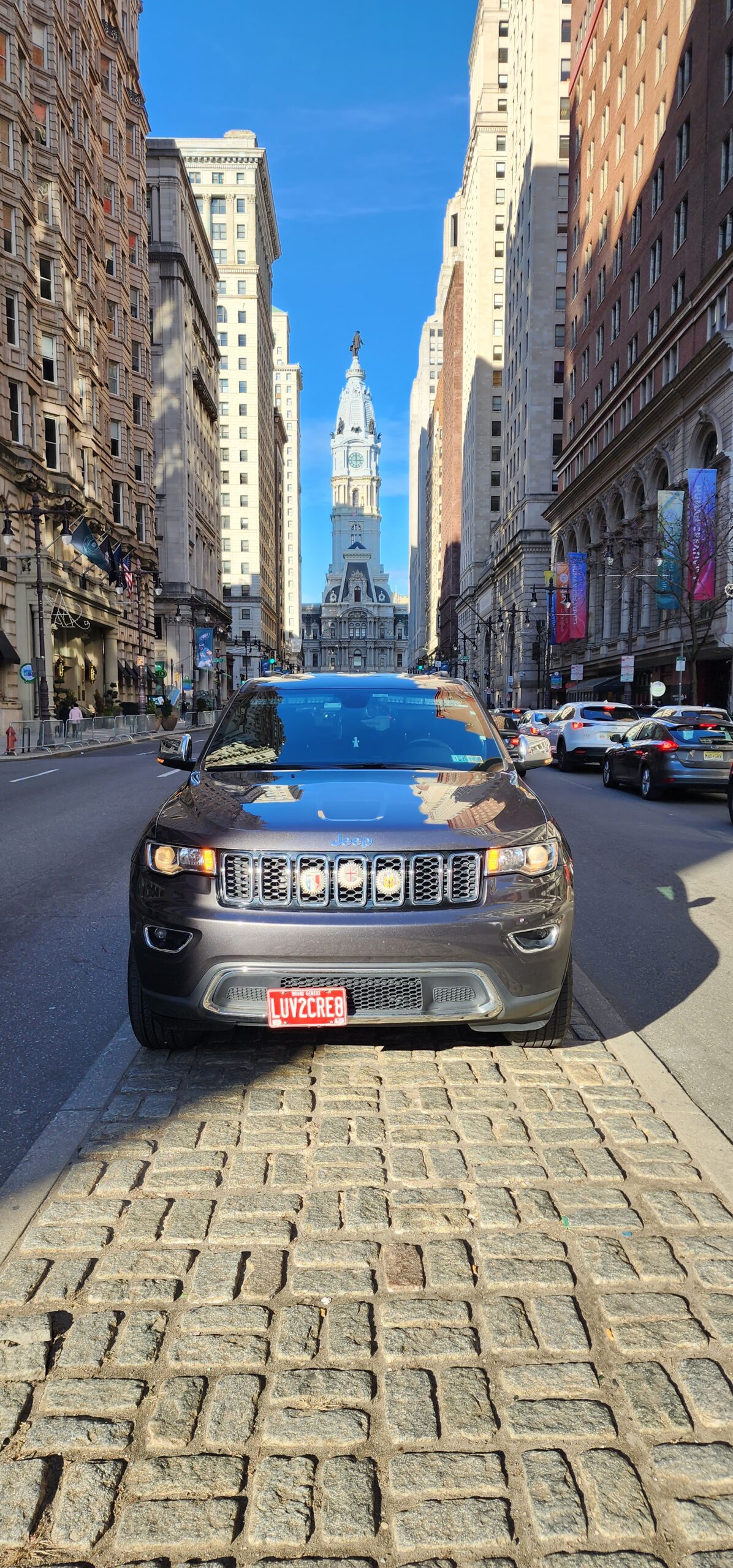
I’ve experienced this personally with two Stellantis vehicles, a Ram pickup and a Jeep Grand Cherokee. Both eventually developed major engine problems requiring remanufactured engines before reaching 110,000 miles.
Neither vehicle was being used to recreate the Baja 1000.
No mud bogging. No racing. No tractor pulls. No attempting to tow the moon.
They were simply being used as vehicles.
Modern vehicles are technological marvels packed with computers, sensors and engineering designed to improve performance and longevity. And yet, sometimes it seems the computer has a nervous breakdown while the components decide they would rather pursue other career opportunities.
That’s a problem.
When someone spends tens of thousands of dollars on a vehicle, they reasonably expect it to last considerably longer than a TikTok trend.
And this isn’t just about automobiles.
It’s about a philosophy of work.
“Good Enough” Isn’t Good Enough
There was a time when people took enormous pride in what they produced.
The Greatest Generation and the Silent Generation helped build an era of American manufacturing that produced automobiles, appliances, machinery, buildings and infrastructure designed to last.
And plenty of generations before them created things that have survived for centuries.
Walk through Europe and you’ll find buildings that have been standing for hundreds of years.
Meanwhile, we’re sometimes impressed when a modern building makes it past its first few decades without requiring a documentary series about its structural problems.
Clearly, something changed.
Part of it is economics. Part of it is corporate pressure. Part of it is leadership chasing quarterly numbers instead of long-term quality.
And yes, governments and wealthy interests can absolutely contribute to a system that rewards cutting costs while maximizing returns.
But here’s the uncomfortable part:
They aren’t the only ones responsible.
You still have control over the work in front of you.
Take Pride in Your Piece of the Machine
If you’re manufacturing something and you discover a defective component, reject it.
If a protective garment doesn’t actually provide the protection it promises, don’t shrug and ship it anyway.
If you’re building something and know it’s wrong, fix it.
Will that slow production?
Absolutely.
Will somebody complain?
Almost certainly. It’s practically a corporate law of physics.
But you’re sending an important message:
“My name may not be on this product, but I refuse to put my name behind something I know is wrong.”
That attitude spreads.
One person takes pride in their work. Someone else notices. Then another person follows. Eventually, you have a culture where quality isn’t something management puts on a motivational poster. It’s simply how people operate.
That’s how you rebuild pride in manufacturing.
That’s how you rebuild pride in business.
And frankly, that’s how you rebuild pride in ourselves.
It Doesn’t Stop at Work
The same philosophy applies outside your job.
Fixing something around your house? Do it properly.
Helping someone with their project? Give them your best effort.
Cooking dinner for your spouse? Don’t just throw something on a plate and call it romance. Make an effort.
Bring home flowers.
Write a card.
Take someone somewhere special.
Do something simply because you care enough to do it well.
You don’t need to be the world’s greatest mechanic, carpenter, chef, spouse or employee.
You just need to care about the result.
Because eventually, everything we do becomes a reflection of who we are.
So let’s stop celebrating “good enough.”
Let’s stop treating quality like an optional upgrade.
Let’s take pride in our work, whether we’re building a $50,000 machine, fixing a $50 faucet or making dinner for someone we love.
Be proud of what you do.
Not because someone is watching.
Because you are.